
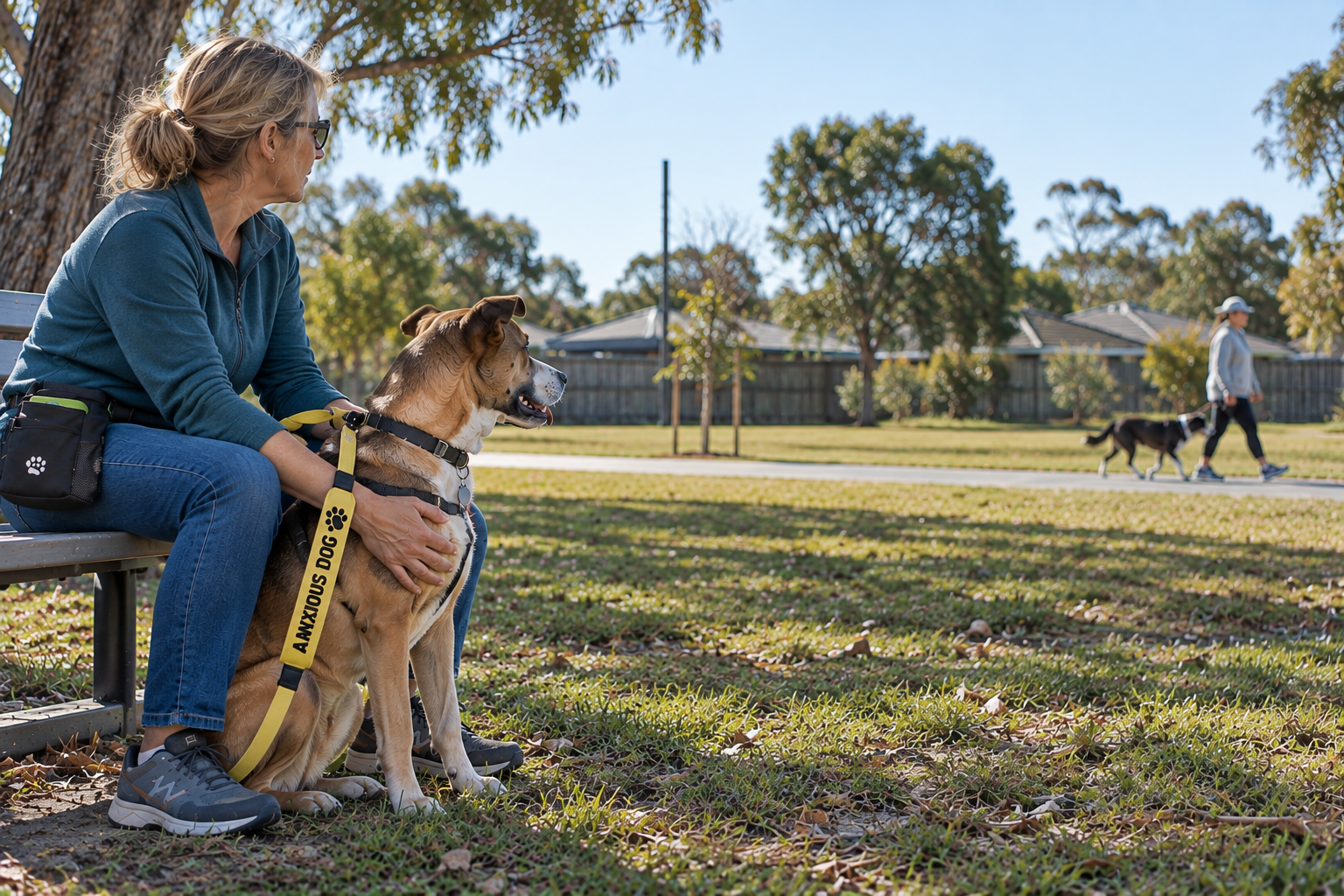
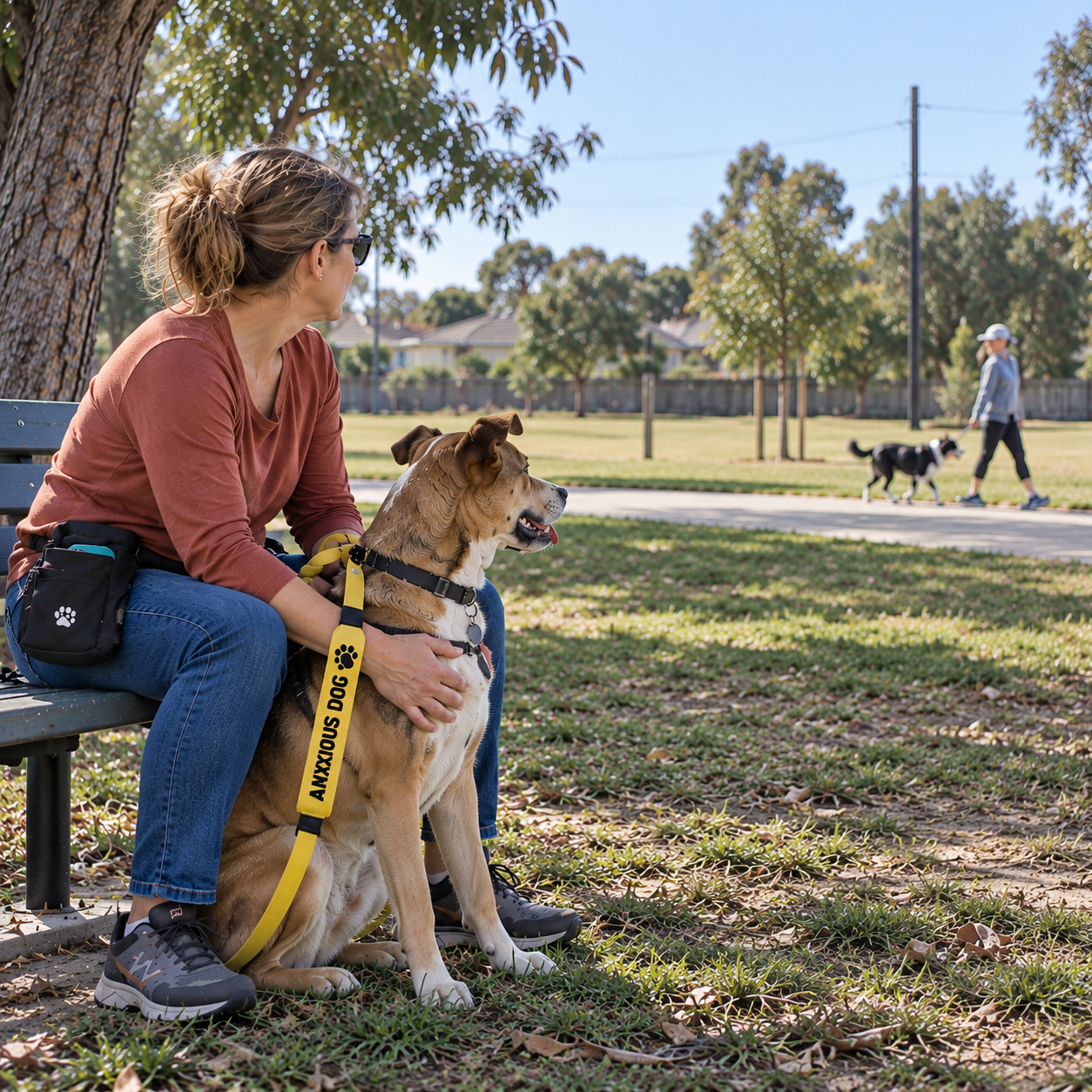
Nobody brings home a puppy expecting an anxious or reactive dog. Most people picture relaxed walks, easy outings and a dog that takes everyday life calmly in its stride.
But some puppies do grow into dogs that find the world difficult, and sometimes the foundations are there long before the first obvious signs appear. The good news is that there is plenty owners can do to stack the odds in their favour, starting with the puppy they choose.
Start before you bring your puppy home
Choosing a puppy should involve more than falling in love with a photograph online. Some dogs are naturally more resilient and easygoing; others are more sensitive, watchful or quick to react. Even puppies from the same litter, raised and trained in similar ways, can mature into remarkably different dogs.
When meeting a litter, don’t automatically choose the quiet little puppy sitting at the back because it seems to need rescuing. Watch for a while. A puppy that consistently hangs back, seems fearful or is reluctant to come forward and investigate may be showing early signs of timidity. For most family homes, a puppy that is friendly, curious and confident enough to investigate without necessarily being the most exuberant in the litter is often a better fit.
Research the breeder and bloodlines carefully. Meet the parents where possible and watch how they behave. Are they relaxed around people? Can they settle? Have they experienced normal life beyond their own property? Talking to owners of dogs from previous litters or related lines can also be useful.
Impressive titles don’t necessarily tell anyone what a dog is like to live with. A brilliant working or sport dog isn’t automatically an easy family pet.
Breed matters too. Some breeds have been developed to be highly alert, protective, sensitive to movement or suspicious of strangers. That doesn’t make them bad dogs, but it can make them more challenging for inexperienced owners. The breed and the particular bloodline need to suit the household, lifestyle and level of experience.
Socialisation is about calm confidence
Once the puppy comes home, good socialisation is enormously important. But that doesn’t mean taking a young puppy to a dog park or dropping it into a room full of unruly puppies and hoping for the best.
Good socialisation means careful, controlled exposure to the world. Let the puppy watch people, dogs, bicycles, traffic and everyday activity from a distance where it feels safe. Sit together on a blanket, carry a young puppy through appropriate public places or let it watch the world from the back of the car.
The aim isn’t to create a puppy that wants to rush up to every person and dog it sees. It’s to develop calm confidence and teach the puppy that the world is a safe, fairly ordinary place.
If things start to go wrong, don’t panic
Puppies and adolescent dogs can go through fear periods. Sometimes a previously confident youngster suddenly becomes worried about things that never bothered it before.
If anxiety or reactive behaviour is increasing rather than passing, seek professional help early. Don’t simply hope the dog will grow out of escalating barking, lunging, fixation, fear or difficulty turning its attention away from whatever is upsetting it.
Early intervention, sensible management, training and an appropriate counter-conditioning plan can make an enormous difference. Counter-conditioning helps change how a dog feels about something it finds worrying. It may not turn a naturally anxious dog into a social butterfly, and that doesn’t need to be the goal. The goal is a dog that can cope with everyday life and be happy in the world it lives in.
CLEAR owner and head trainer Caroline Strainig’s dog Hope is a good example. As a youngster, Hope was naturally anxious around other dogs and particularly disliked unfamiliar dogs approaching her or getting in her face.
With extensive training and counter-conditioning, Hope learned to cope confidently around other dogs while still having her own boundaries. She competes successfully at the highest levels of dog sport and has won national championships.
Her progress hasn’t always been a straight line. Hope has twice been attacked or seriously harassed by other dogs at competitions or during competition training, and both incidents set her back. Each time, Caroline returned to careful management, training and counter-conditioning and gradually rebuilt Hope’s confidence.
Setbacks happen, particularly with sensitive dogs. The important thing is not to panic. Acknowledge what has happened, work out what the dog needs and focus on helping it through the setback. That can be easier said than done after a frightening encounter, so getting support can help both dog and owner regain confidence.
Hope will never be a social butterfly, and she doesn’t need to be. She leads a normal, happy life, enjoys her sports and is an absolute joy to live with.
Choose the puppy carefully, socialise for calm confidence rather than excitement, and get appropriate help early if things begin to unravel. Nobody can control everything that happens in a dog’s life, but those steps can make a very real difference.