
A recent post in a Facebook dog advice group raised a question CLEAR often hears from clients: how do you help a puppy or older dog who is nervous around others?
The owner had bought a heeler puppy at six months old. He was shy around people, which they attributed to poor socialisation before he came to them. They hoped he would be comfortable with other dogs because he had grown up with siblings. After he reportedly tried to bite another dog during a dog park visit, they were understandably worried and asking whether to keep trying to “socialise” him.
The post doesn’t make clear whether this was a serious attempt to bite or a quick nip from an overwhelmed puppy. The owner had recognised that the encounter hadn’t gone well and was seeking advice — a sensible response.
Start with the dog in front of you
Early socialisation is extremely important. It means positive exposure to everyday life — people, sounds, handling, places and animals — rather than simply meeting lots of dogs. But poor socialisation shouldn’t become the automatic explanation for a cautious dog, particularly when little is known about their early life. Genetics also shape temperament. Even careful raising cannot guarantee an outgoing personality, and being comfortable with siblings doesn’t necessarily mean feeling confident around unfamiliar dogs.
Whatever their history, the starting point is what this dog can comfortably manage now. There’s no need to panic or rush to make up for supposedly missed opportunities. CLEAR’s puppy Blink, for example, is happy to have a quick sniff with suitable dogs but isn’t particularly gregarious. She likes her own space. Pushing her into longer interactions could worry her rather than build confidence.
A busy dog park may suit a dog who enjoys lively company. For a cautious puppy, a more controlled setting makes it easier to choose suitable encounters and finish while things are going well.
Practical exercises that can help
An outing needn’t involve meeting anyone. Sitting together on a familiar blanket, watching people and dogs from a comfortable distance, can be a useful beginning. Choose somewhere other dogs cannot rush over, and reward relaxed observation and attention back to you.
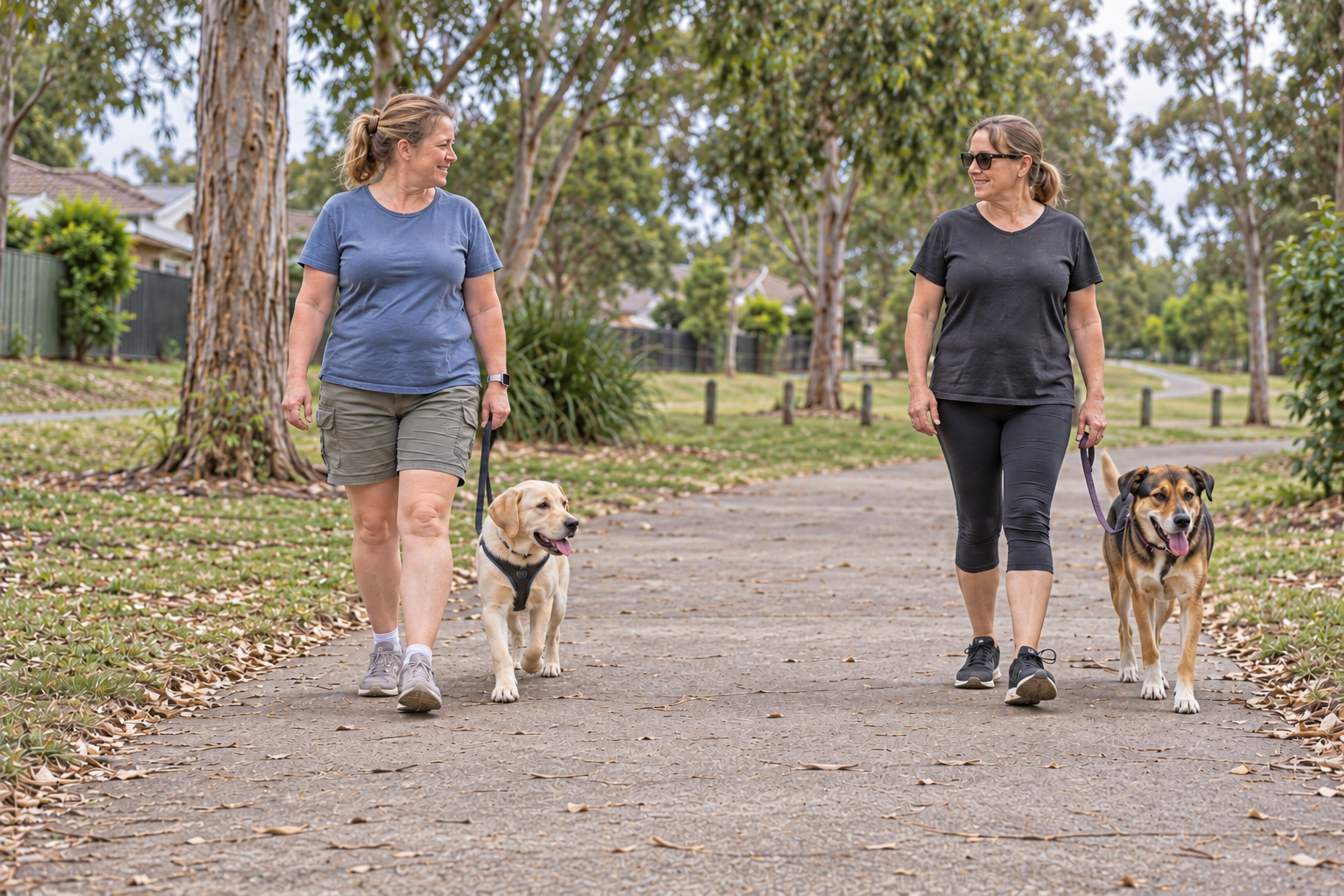
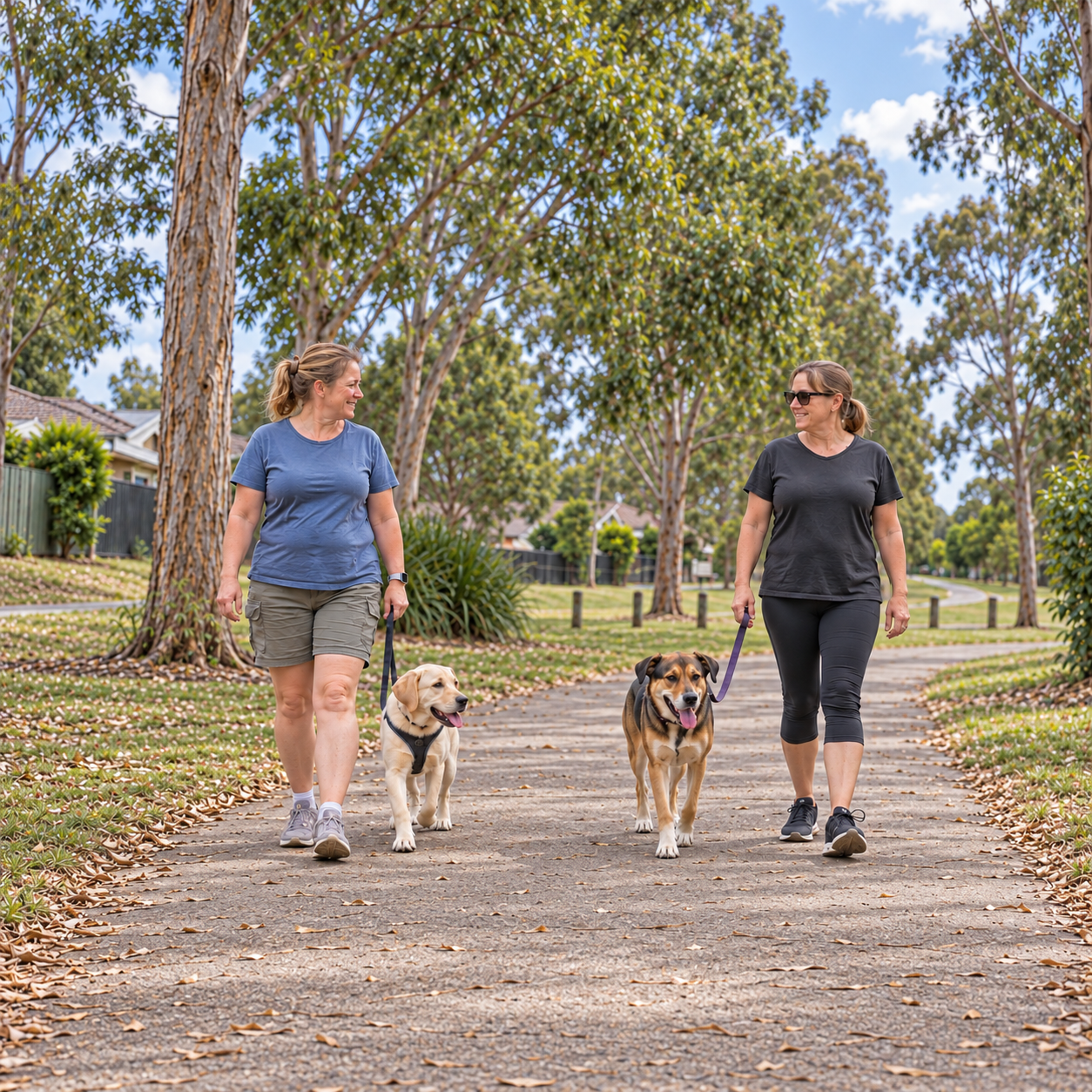
Parallel walks offer company without the pressure of a face-to-face introduction. Choose one calm, suitable dog and walk in the same direction with plenty of space between them. They don’t have to greet or play.
When greetings are appropriate, cherry-pick gentle dogs who respect others’ space. Let the puppy choose whether to approach, allow a quick sniff, then cheerfully call them away and reward them. Practise that call-away beforehand. A couple of seconds may be plenty. The aim is to finish with both dogs comfortable, rather than waiting until the puppy feels threatened and snaps.
Build confidence in your guidance
Basic obedience supports these experiences by providing clear boundaries, predictable guidance and useful tools. Practise cues such as “wait” and “let’s go this way” in easy situations first. Rewarding consistently beside you, especially out walking, also creates a reward zone: a familiar place where good things happen. Protecting that space helps your puppy learn they can feel safe next to you.
As another person and dog pass at a comfortable distance, ask your puppy to wait and reward calm waiting. If more space is needed, use your practised “this way” cue to turn and circle away. CLEAR also teaches a “sit and block”: the puppy sits while you turn to face them, with your back towards approaching people and dogs. This creates a buffer and signals that a greeting isn’t invited. Reward waiting, or move away if your puppy needs more room.
Have their back
Cute puppies attract attention, but it’s fine to politely decline a greeting. “Sorry, she’s timid and needs some space” or “Sorry, we’re training” is enough. A yellow sleeve that fits over the lead, with words such as “Anxious dog”, “Do not pat” or “Give me space”, can also help discourage unwanted approaches.
Watch your puppy throughout an encounter. If they freeze, hide or become tense, create more distance rather than pressing on. Serious aggression warrants professional advice.
Confidence-building can feel like snakes and ladders: many good experiences help a puppy climb, while one frightening encounter can send them sliding back down. Less can be more, particularly with exposure to other dogs.
The heeler’s owner was already asking what to do next. Given the puppy’s reaction, a careful management and training plan would provide a useful way forward. It also helps to keep expectations realistic. Even with the best training, socialisation and careful exposure, not every dog will become a social butterfly, and that’s okay. For some, simply feeling comfortable walking past another dog can be enough.